
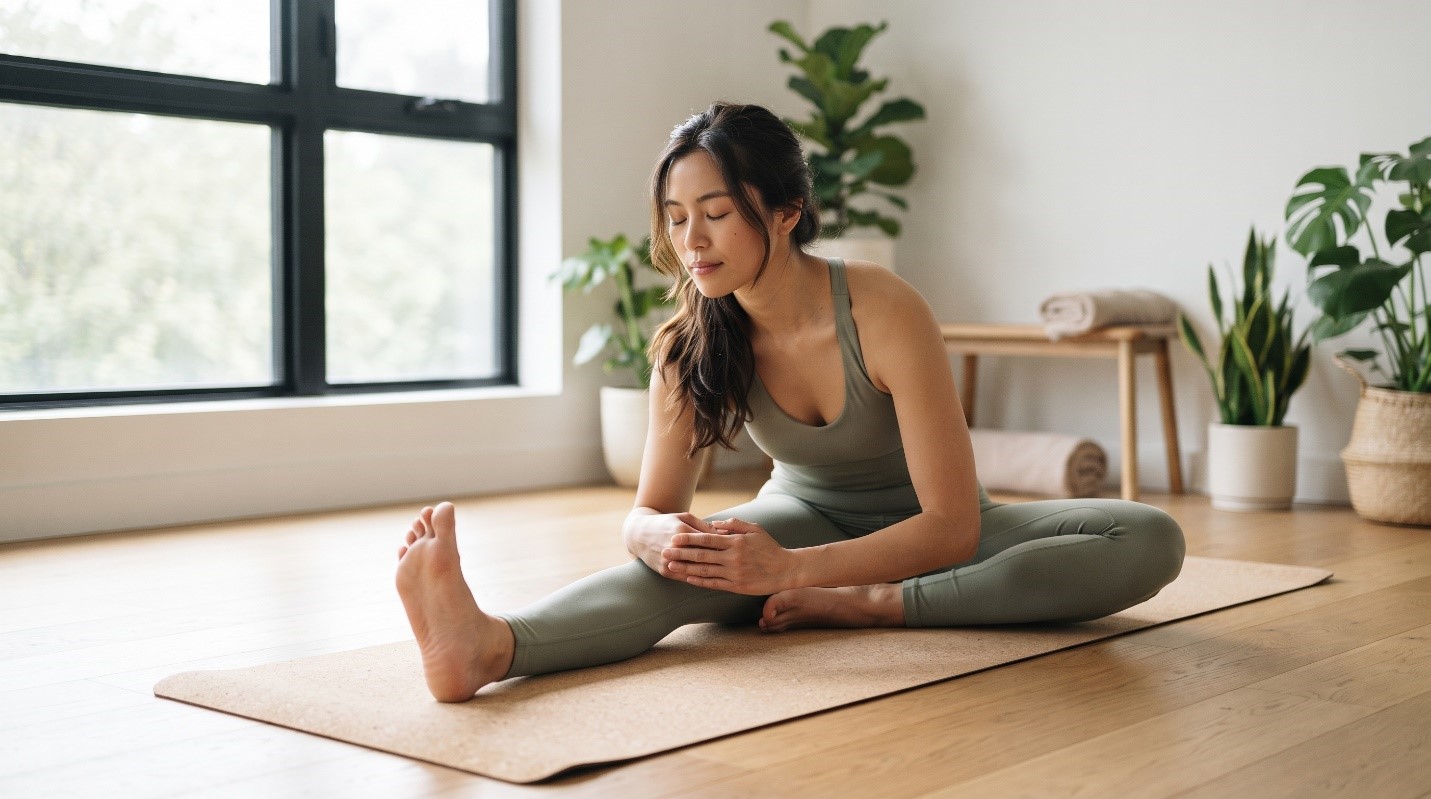
What Are the Best Stretches for Neck, Back, and Sciatica Pain?
Have you ever woken up with a crick in your neck that makes turning your head feel like a monumental task? Or perhaps you’ve experienced that nagging lower back pain after a long day, or even that searing pain shooting down your leg that screams “sciatica!”? If you’re nodding along, you’re certainly not alone. Neck, back, and sciatica pain are among the most common reasons people seek help — and, encouragingly, gentle stretching is one of the simplest tools that can help ease everyday tension and support recovery when used correctly.
This guide walks you through safe, beginner-friendly stretches for each of these areas, how to do them without overdoing it, and when it’s smarter to pause and seek professional care.
Why Stretching Can Help
Stretching won’t fix every cause of pain, but for common muscle tightness and stiffness it can:
- Ease tension in tight muscles that pull on the neck, back, and hips
- Improve flexibility and range of motion
- Support better posture and movement
- Reduce the “guarding” and stiffness that often follow a flare-up
The key word throughout is gentle. Stretching should feel like a mild, comfortable pull — never sharp pain. If a movement makes symptoms worse, especially shooting or tingling pain down a leg, that’s your cue to stop and reassess.
A Few Safety Rules First
Before you begin, keep these principles in mind:
- Warm up with a short walk or gentle movement first.
- Move slowly and avoid bouncing.
- Breathe steadily; don’t hold your breath.
- Ease into it — mild tension is fine; pain is not.
- Stop if a stretch increases pain, numbness, or tingling.
- Be consistent — gentle daily stretching usually beats occasional intense sessions.
Gentle Stretches for Neck Pain
These can be done seated or standing, with a tall, relaxed posture.
- Neck side bend: Slowly tilt one ear toward the shoulder until you feel a mild stretch along the opposite side of the neck. Hold gently for 15–30 seconds, then switch.
- Chin tucks: Gently draw your chin straight back (making a “double chin”) to align the head over the shoulders. Hold briefly and repeat several times. This helps counter forward-head posture.
- Shoulder rolls: Roll the shoulders slowly backward several times to release upper-back and neck tension.
- Gentle rotation: Slowly turn your head to look over one shoulder, only as far as comfortable, then the other side.
Gentle Stretches for Lower Back Pain
Move onto a comfortable surface for these.
- Knee-to-chest: Lying on your back, gently draw one knee toward your chest, hold, and switch. This eases the lower back.
- Cat-cow: On hands and knees, slowly alternate between gently arching and rounding the back to mobilize the spine.
- Child’s pose: From hands and knees, sit your hips back toward your heels and reach the arms forward for a gentle lower-back and hip stretch.
- Pelvic tilts: Lying on your back with knees bent, gently flatten your lower back into the floor, then release, to activate and relax the low back.
Gentle Stretches Often Used for Sciatica-Type Symptoms
Sciatica-related discomfort involves the sciatic nerve, so these should be especially gentle. Stop immediately if pain shoots further down the leg.
- Reclined figure-4 (piriformis) stretch: Lying on your back, cross one ankle over the opposite thigh and gently draw the legs toward you until you feel a stretch in the buttock/hip.
- Gentle hamstring stretch: With a slightly bent knee, gently lengthen the back of the thigh — tight hamstrings can add to lower-back and leg discomfort.
- Supine gentle spinal twist: Lying on your back with knees bent, slowly let both knees fall to one side while keeping shoulders down, then switch.
For many people with nerve-related symptoms, certain gentle “nerve-friendly” movements feel better than aggressive stretching. If in doubt, less is more.
Building a Simple Routine
You don’t need a long session to benefit. A practical approach:
- Pick 2–3 stretches for the area that bothers you most.
- Hold each gently for 15–30 seconds, 2–3 times.
- Aim for once or twice daily, most days of the week.
- Pair stretching with regular walking and posture breaks.
Consistency and gentleness matter far more than intensity.
How Chiropractic and Specialist Care May Help
Stretching is a helpful self-care tool, but it works best alongside an accurate understanding of why you’re hurting. A chiropractor or musculoskeletal specialist can assess your neck, back, and hips, identify movement restrictions or nerve irritation, and recommend a personalized combination of hands-on care, targeted exercises, and posture guidance. For some people, this professional context turns generic stretching into a focused plan. Care should always match an individual assessment rather than a one-size-fits-all routine, and it complements — rather than replaces — appropriate medical evaluation.
When to See a Healthcare Professional
Seek guidance if:
- Pain lasts more than a couple of weeks or keeps returning
- Stretching consistently makes symptoms worse
- You have ongoing numbness, tingling, or weakness
- Pain disrupts sleep, work, or daily activities
Red Flags — Seek Urgent or Emergency Care
Stop stretching and seek prompt medical attention if you experience:
- Loss of bladder or bowel control
- Numbness in the groin or inner thighs (saddle area)
- Progressive or severe leg weakness
- Severe pain following a significant fall or injury
- Back pain with fever, unexplained weight loss, or feeling generally unwell
These may indicate a serious problem that requires immediate evaluation.
Preventing Recurrence
To keep neck, back, and sciatica-type pain from returning, combine regular gentle stretching with core and hip strength, good posture, an ergonomic workspace, healthy sleep positions, and staying generally active. Addressing flare-ups early — rather than pushing through — helps prevent small issues from becoming persistent ones.
Frequently Asked Questions
- Are stretches safe for sciatica? Gentle, appropriate stretches can help some people, but sciatica involves a nerve, so caution matters. Stop any stretch that increases shooting or tingling pain down the leg, and seek guidance if symptoms persist.
- How long should I hold each stretch? A gentle hold of about 15–30 seconds, repeated 2–3 times, is a reasonable guide. Comfort matters more than duration.
- How often should I stretch? Once or twice daily, most days, tends to work better than occasional intense sessions.
- What if stretching makes my pain worse? Stop that stretch. Worsening pain — especially numbness, tingling, or shooting leg pain — is a sign to ease off and have your symptoms evaluated.
- Can stretching alone cure my back pain? Stretching can relieve tension and support recovery, but it isn’t a guaranteed cure. Persistent or severe pain deserves professional assessment.
- Should I use heat or ice with stretching? Both can help comfort. Many people find gentle heat helpful before stretching to loosen muscles, and ice afterward if there’s soreness. Use whichever feels better for you.
Conclusion
The best stretches for neck, back, and sciatica pain are the gentle, consistent ones you can do safely and comfortably. Used with good form and a little patience, stretching can ease tension, improve movement, and support your recovery. Listen to your body, respect the red flags, and reach out for professional guidance when pain lingers.
Call to Action: Want a stretching and recovery plan built around your body — not a generic list? Contact us today for a personalized assessment and hands-on guidance for lasting neck, back, and sciatica relief.
Medical Disclaimer: This article is for general educational purposes only and is not a substitute for professional medical advice, diagnosis, or treatment. Consult a qualified healthcare provider before beginning new exercises, especially if you have existing pain or a medical condition. If you experience any red-flag symptoms described above, seek emergency care.
Sources (general references used):
- National Institute of Neurological Disorders and Stroke (NINDS) — back pain and sciatica information (ninds.nih.gov)
- NHS — sciatica and back pain exercises (nhs.uk)
Mayo Clinic — sciatica and neck pain overviews (mayoclinic.org)