
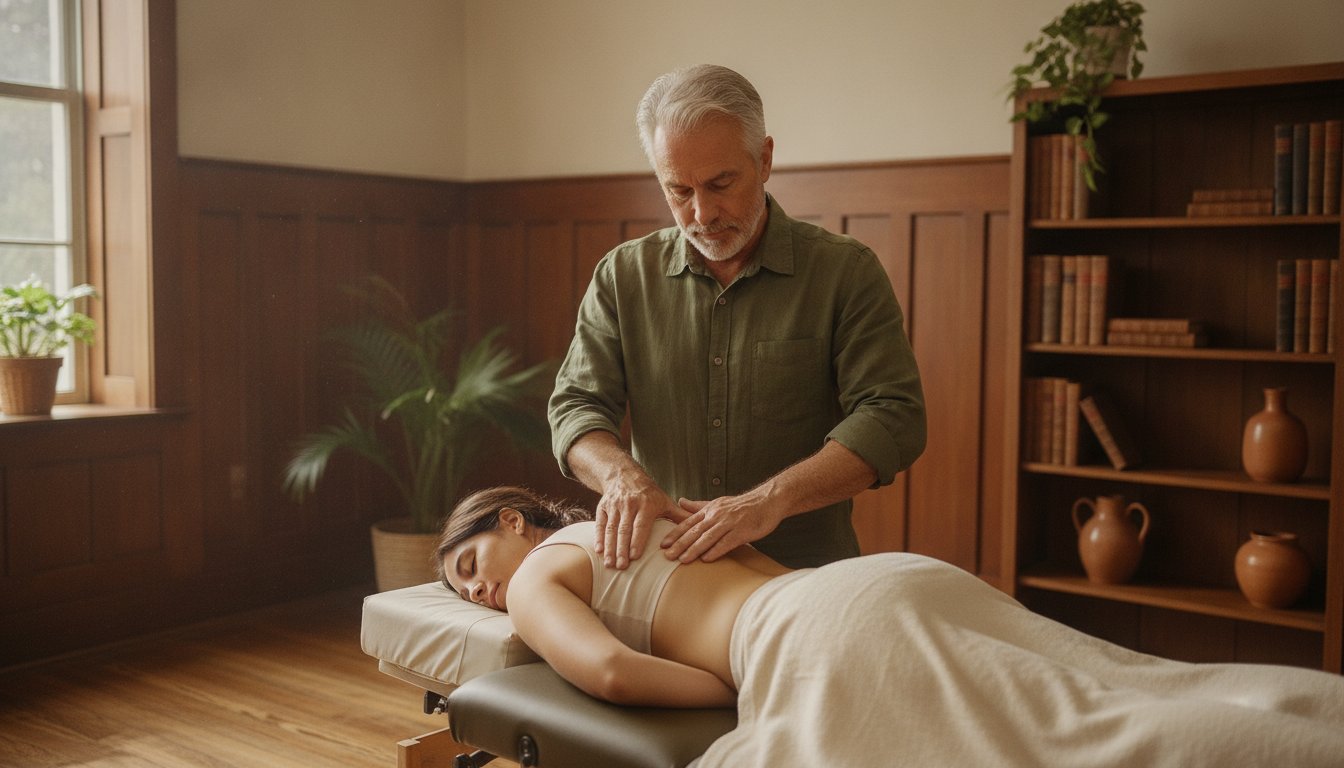
If you have been searching for a manual spinal adjustment in Visalia, you might wonder why so much modern healthcare feels like a factory conveyor belt rather than a personal consultation. It’s frustrating to feel like just another number in a crowded waiting room, especially when you’re dealing with persistent back pain or a stiff neck that limits your life. You deserve a practitioner who actually listens to your body, not just someone who reaches for a mechanical tool the moment you sit down.
We understand that the idea of a hands-on adjustment can feel a bit intimidating, particularly if you’re worried about that “popping” sound or aren’t sure how it differs from other techniques. This guide will show you how the precision of manual care offers a level of sensory feedback that instruments simply cannot match. You’ll discover how these targeted movements provide the relief you need to move freely again. We’ll explore why this hands-on approach remains the gold standard for recovery, demystify the process, and help you understand exactly how a personalized, local approach can restore your range of motion and get you back to your normal self.
Key Takeaways
- Learn how spinal segments lose their natural movement and why restoring this mobility is essential for reducing chronic pain and stiffness.
- Discover why a manual spinal adjustment in Visalia provides a level of precision and tactile feedback that automated instruments simply can’t replicate.
- Understand the specific benefits of hands-on techniques for treating complex conditions like sciatica and recurring tension headaches.
- Explore the value of a personalized, local practice where your treatment plan is based on a thorough diagnostic consultation rather than a generic formula.
Understanding Spinal Biomechanics and the Need for Adjustment
Your spine is more than just a stack of bones; it’s a dynamic system designed for fluid movement. In Visalia, whether you’re working in the agricultural industry or spending long hours at a desk, your spine faces constant physical stress. When this stress becomes too much, specific segments can lose their natural range of motion. This is what we call a vertebral subluxation. Think of it as a joint that has become “stuck,” preventing your body from functioning at its best. While it sounds technical, it’s really about a loss of proper function in the joints that protect your nervous system. To better understand how these issues are addressed through modern, non-invasive care, you can discover Metro Acute Chiropractic and their approach to spinal health.
The Anatomy of a Spinal Misalignment
To understand why you might need a manual spinal adjustment Visalia residents often seek for relief, you have to look at how the vertebrae interact. Each bone in your spine is separated by a disc that acts as a shock absorber. Nerves exit through small openings between these bones to carry messages from your brain to every part of your body. When a joint stops moving correctly, it creates an inflammatory response. This swelling puts pressure on the surrounding tissues and nerves, leading to the discomfort you feel. A Spinal adjustment works by restoring that lost motion. Simply put, a subluxation is a functional issue where the joint fails to move properly, rather than a purely structural break or permanent deformity.
How Misalignment Affects Your Nervous System
We often use the “safety pin” analogy to explain how your nervous system works. Imagine a safety pin that is closed; the loop of communication between your brain and your body is complete. A misalignment “opens” that pin, interrupting the flow of information. This nerve interference can cause symptoms that you might not immediately link to your back, such as:
- Persistent tension headaches or migraines
- Digestive irregularities or discomfort
- Tingling or numbness in the hands and feet
- Unexplained fatigue and lowered energy levels
Your brain is incredibly good at masking early signs of dysfunction. It will often shift your posture or change the way you walk to avoid immediate pain. However, “learning to live with” a stiff neck or a tight lower back is a risky long-term strategy. Over time, these unaddressed misalignments lead to premature wear and tear on your discs and joints. Ignoring the need for a manual spinal adjustment Visalia practitioners recommend can lead to chronic issues that are much harder to resolve later. Recognizing these subtle signals early is the first step toward staying active and pain-free.
The Art and Science of Manual Spinal Adjustment
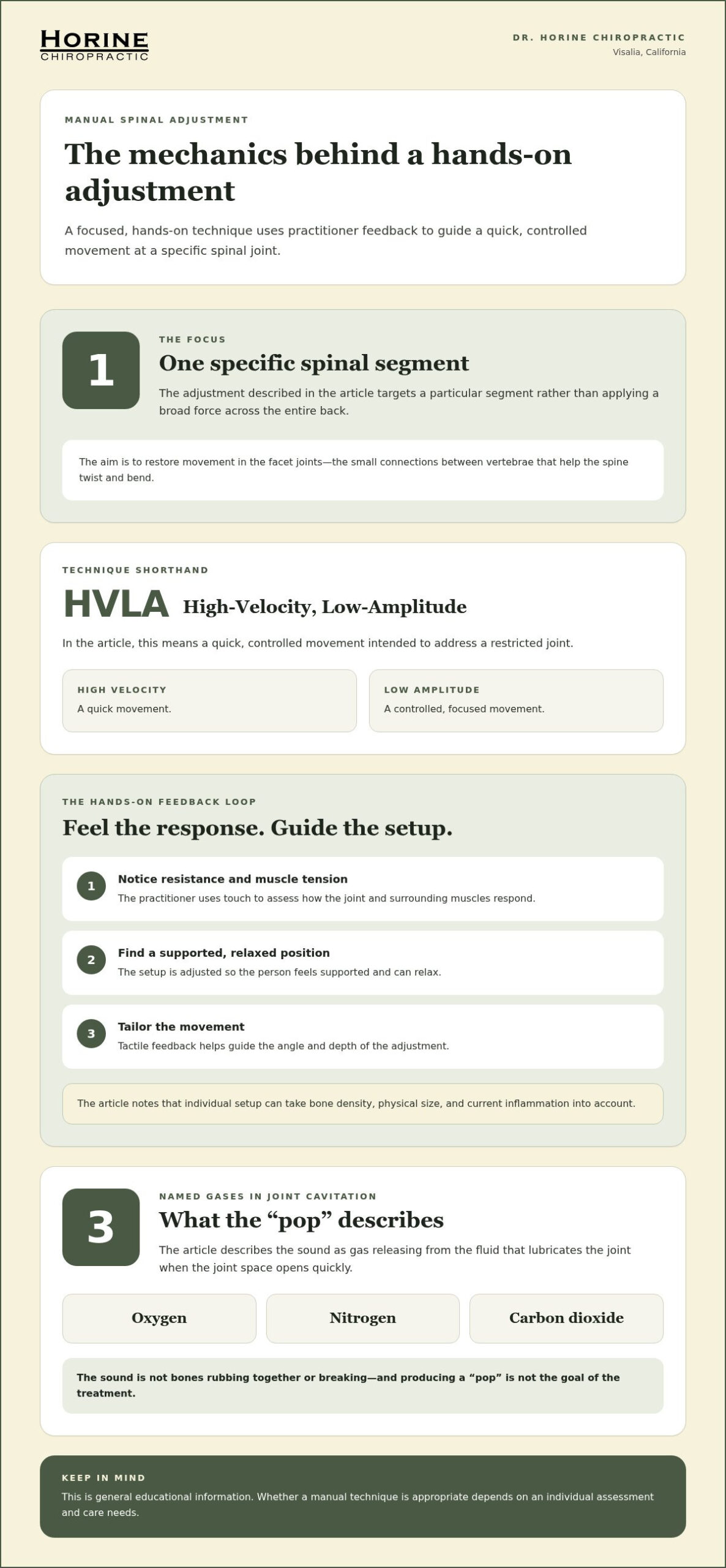
When you hear the term manual spinal adjustment Visalia, it refers to a specific technique known as High-Velocity, Low-Amplitude (HVLA) thrust. While the name sounds technical, the practice is a refined blend of clinical science and physical intuition. The primary goal is to restore the “glide” to your facet joints, which are the small connections between your vertebrae that allow you to twist and bend. When these joints become restricted, your movement feels jagged or painful. A manual adjustment uses a quick, controlled movement to release that restriction, focusing on one specific segment of the spine rather than applying a broad, generalized force to the entire back.
The real magic of this approach lies in the hands-on feedback loop. A chiropractor uses their hands as highly sensitive tools to feel the resistance in your joints and the tension in the surrounding muscles. This tactile connection allows for a level of precision that machines can’t match. By feeling exactly how a joint responds to light pressure, the practitioner can determine the perfect angle and depth for the adjustment. Research into the effectiveness of spinal manipulation shows that this targeted approach is a powerful tool for managing musculoskeletal issues.
The Precision of the Hands-On Approach
Human touch is superior for detecting subtle muscle guarding, which is your body’s way of subconsciously tensing up to protect a painful area. During the “setup” phase of a manual spinal adjustment Visalia, we work to find a position where you feel completely supported and relaxed. This comfort is essential; a relaxed body requires much less force to achieve a successful adjustment. Every session is tailored to your unique physical makeup. We account for your bone density, your physical size, and even your current level of inflammation to ensure the care you receive is as gentle as it is effective. If you’re ready to see how this customized care feels, you might benefit from a personalized consultation to discuss your specific needs.
The ‘Popping’ Sound: What Is Joint Cavitation?
One of the most common questions we hear involves the “popping” or “cracking” sound that often accompanies an adjustment. This sound is called joint cavitation. It isn’t the sound of bones rubbing together or breaking. Instead, it’s simply gas—a mix of oxygen, nitrogen, and carbon dioxide—escaping from the fluid that lubricates your joints. When the joint space is opened quickly, the pressure drop causes these gases to form a bubble and release with a distinct sound. It’s very similar to the sound made when you open a pressurized bottle of soda. It’s important to remember that the “pop” isn’t actually the goal of the treatment; it’s just a harmless byproduct of restoring motion. When performed by an expert, these adjustments are generally painless and often provide an immediate sense of relief and lightness.
Manual Adjustment vs. Instrument-Assisted Techniques
Choosing between different chiropractic techniques can feel overwhelming. While some clinics rely heavily on mechanical tools, a manual spinal adjustment Visalia practitioners perform offers something an instrument cannot: tactile intelligence. When a chiropractor uses their hands, they’re constantly receiving information about your muscle tone and joint resistance. This feedback allows for real-time adjustments in force and direction. In contrast, instrument-assisted techniques use a standardized, pre-set force. While consistent, these tools lack the nuanced “feel” that helps a seasoned expert navigate the unique contours of your spine.
Most manual care is rooted in the Diversified technique. This is the foundation of chiropractic, focusing on restoring proper movement to multiple spinal levels. For those who want a blend of manual precision and mechanical assistance, the Thompson drop-table technique is an excellent hybrid. The table has segments that “drop” a fraction of an inch during the adjustment, using gravity to help move the joint without requiring heavy force. This makes Chiropractic care for back pain feel smoother and more controlled for many patients. This hybrid approach is often a great middle ground for those who are nervous about traditional adjustments but still want the benefits of a manual spinal adjustment Visalia experts provide.
When Manual Care is the Gold Standard
Manual mobilization often excels in cases of chronic neck stiffness or restricted lower back movement. The therapeutic benefit goes beyond just moving a bone. There’s a specific “stretch” provided by manual contact that helps reset the nervous system and relax tight muscles. Beyond the physical, there’s a significant psychological benefit to hands-on care. In a world of assembly-line medicine, being treated by a practitioner who uses their hands to find and fix the problem makes you feel heard and understood. It builds a level of trust and connection that a mechanical device simply can’t replicate. Many patients also find that understanding the difference between reactive crisis care and long term wellness chiropractic helps them break the cycle of recurring pain for good.
Understanding Activator and Mechanical Alternatives
Some patients, particularly those with acute pain or sensitive bone structures, might prefer spring-loaded tools like the Activator. These devices deliver a very fast, low-force impulse. If you prefer a subtle approach or have a fear of the “popping” sound, this might be a good starting point. However, if you’re looking for that immediate sense of “release” and a more comprehensive stretch, manual care is usually the preferred path. Choosing the right approach depends on your comfort level and the complexity of your condition. To help you navigate these choices, we’ve put together a guide on Finding the Best Chiropractor in Visalia, CA: A Patient’s Buying Guide.
Is a Manual Adjustment Right for Your Pain?
When you’re dealing with persistent discomfort, the most important question is whether a manual spinal adjustment Visalia practitioners provide is actually the right tool for your specific situation. While the hands-on approach is incredibly versatile, it isn’t a one-size-fits-all solution. We focus on treating conditions where the root cause is a joint that has lost its natural movement. This includes chronic neck pain, lower back pain, and sciatica. By restoring that lost motion, we can often provide relief that temporary fixes like medication simply can’t offer.
Manual care also plays a vital role in managing tension headaches and migraines. Many people don’t realize that stiffness in the upper neck can trigger intense head pain. By gently adjusting those specific vertebrae, we can reduce the nerve irritation that leads to these episodes. For our Visalia seniors, we take a very careful approach. As we age, our bone density and joint health change. We modify the force and speed of our adjustments to ensure they are safe and comfortable, focusing on maintaining mobility so you can stay active in our community. Learn more about how a dedicated chiropractor for seniors Visalia residents trust can help preserve your independence and keep you moving freely.
Conditions That Respond Best to Manual Therapy
If you’re looking for sciatica pain relief in Visalia, you’ll find that manual therapy is often the gold standard. When a disc or bone misalignment puts pressure on the sciatic nerve, it causes radiating pain down the leg. Precise manual care helps decompress that area, often providing relief where other treatments have failed. Similarly, radiating arm pain or numbness is frequently linked to misalignments in the neck. A targeted adjustment can “open up” the space where the nerves exit the spine, reducing the signal interference that causes tingling in your hands or fingers. For localized lower back stiffness, the success rate of manual care is exceptionally high because it addresses the mechanical restriction directly.
Safety, Screening, and Contraindications
Safety is our absolute priority. Before we ever perform a manual spinal adjustment Visalia patients expect, we conduct a thorough physical exam. This isn’t just a formality; it’s an essential screening process. We look for signs of severe osteoporosis, active fractures, or certain vascular conditions that would make manual care inappropriate. Honest diagnostics mean that if we find a reason why manual therapy isn’t safe for you, we’ll tell you immediately. Sometimes the best adjustment is no adjustment at all, and we might recommend a different therapy or refer you to another specialist. We believe in treating people, not just symptoms, which means being upfront about what your body actually needs. If you’re ready to find out what’s causing your pain, you can schedule a diagnostic consultation to get the clear answers you deserve.
Personalized Manual Care at Dr. Horine Chiropractic in Visalia
Experience matters when your physical comfort is on the line. Dr. Horine has practiced in Visalia since 1987; that’s over three decades of hands-on expertise rooted in this local community. Unlike corporate franchises that often prioritize volume and speed, we operate as an independent practice where the focus remains on honest, patient-centered care. You won’t find high-pressure sales tactics or generic treatment packages here. Instead, you’ll find a practitioner who understands the value of a manual spinal adjustment Visalia residents have relied on for generations to stay active and mobile.
We believe in a “No Assembly Line” philosophy. This means we don’t just perform the same routine on every person who walks through the door. Your body changes from day to day; therefore, your treatment should too. Every visit begins with a brief assessment of your current state to ensure we’re addressing the specific needs of your spine at that exact moment. This commitment to personalized attention is why we’re capable of performing a manual spinal adjustment Visalia patients can count on for both safety and precision.
Our Investigative Diagnostic Process
We don’t simply “crack” where it hurts. Our goal is to find the root cause of your discomfort through a methodical investigative process. This starts with a deep dive into your patient history; we want to know about your past injuries, your daily work habits, and your long-term health goals. This context is essential for formulating a plan that actually works. We place a heavy emphasis on lower back pain relief in Visalia, ensuring that every movement we make is backed by a clear diagnostic reason. By understanding the “why” behind your pain, we can create a path toward recovery that lasts. This investigative mindset is also at the heart of our approach to long term wellness chiropractic care, where we help patients move beyond crisis management into a proactive strategy for lasting vitality.
Your First Adjustment and the Path to Recovery
If you’re new to manual care, your first session is designed to be as transparent and comfortable as possible. We’ll walk you through every step, explaining the “how” and “why” of each movement. During the adjustment, you might feel a quick stretch or hear the joint cavitation sound we discussed earlier. It’s common to feel a mix of immediate relief and slight “good” soreness over the first 24 hours, similar to how you feel after a focused workout. This is a normal part of your body adapting to its new, proper alignment. We’re here to guide you through this transition and ensure you feel empowered at every stage. If you’re tired of temporary fixes and want to experience a practice where you’re truly heard, you can schedule your initial consultation today to begin your journey back to wellness.
Take the First Step Toward Lasting Relief
You deserve a path to recovery that acknowledges your unique physical history and current pain points. We’ve explored how a manual spinal adjustment Visalia residents trust offers a level of precision and tactile feedback that mechanical tools simply cannot replicate. By focusing on the root cause of your discomfort rather than just the symptoms, we help restore the natural “glide” to your joints and keep your nervous system communicating clearly.
Dr. Horine has been serving Visalia since 1987, bringing over 35 years of hands-on experience to every consultation. This isn’t a franchise where you’re treated like a number on an assembly line; it’s a local, independent practice dedicated to your long-term wellness. If you’re ready to move beyond temporary fixes and experience personalized care, we invite you to Schedule Your Manual Spinal Assessment with Dr. Horine today. We look forward to helping you rediscover the comfort and mobility you’ve been missing.
Frequently Asked Questions
Does a manual spinal adjustment hurt?
Most patients find that a manual spinal adjustment in Visalia is quite comfortable and even relaxing. You might feel a quick stretch or a brief sense of pressure as the joint is released, but it shouldn’t be painful. Dr. Horine uses his 35 years of experience to ensure the force is precisely calibrated for your body. If you’re feeling particularly tense, we’ll work with you to find a position that helps you relax before proceeding.
What is the ‘cracking’ sound I hear during an adjustment?
The sound you hear is called joint cavitation, and it’s simply gas being released from the fluid surrounding your joints. It’s like the sound made when opening a carbonated drink. Oxygen, nitrogen, and carbon dioxide form bubbles that “pop” when the joint space is opened. It isn’t the sound of bones rubbing together or breaking. While common during a manual spinal adjustment Visalia patients receive, the sound isn’t the primary goal of the treatment.
How many sessions will I need before I feel relief?
Every patient’s journey is different, but many people experience a noticeable reduction in pain after just one to three sessions. Your recovery timeline depends on how long you’ve had the condition and your body’s natural healing rate. During your initial diagnostic consultation, we’ll outline a clear, structured plan so you know exactly what to expect. Our focus is always on achieving quick relief while working toward your long-term wellness and functional improvement.
Is manual adjustment safe for seniors with osteoporosis?
Safety is our priority, so we perform a thorough screening before treating any senior patient. If you have osteoporosis, a traditional high-velocity adjustment might not be the best choice. However, we can often use modified, low-force manual techniques that are gentle on the bones while still improving joint mobility. Honest diagnostics are a hallmark of our practice; if a manual adjustment isn’t safe for your specific bone density, we’ll recommend a different therapeutic path. Our specialized approach to senior chiropractic care in Visalia ensures that older patients receive treatment tailored precisely to their unique bone health and mobility needs.
What is the difference between a manual adjustment and a massage?
A massage focuses on relaxing and stretching the muscles and soft tissues of the body. In contrast, a manual spinal adjustment Visalia practitioners perform targets the alignment of the vertebrae and the function of the nervous system. While massage can feel great, it doesn’t address the “stuck” joints or nerve interference that often cause chronic pain. We focus on the structural and functional issues of the spine to provide a more permanent solution for your discomfort.
Can I get a manual adjustment if I’ve had previous back surgery?
You can often receive chiropractic care after back surgery, provided the surgical site has fully healed. We typically avoid direct force on the specific vertebrae that were operated on, especially if hardware was used. Instead, we focus on the segments above and below the surgical area. These joints often become overworked and stiff as they compensate for the limited motion in the fused area. We’ll carefully review your surgical history to ensure your care is safe.
What should I wear to my first manual adjustment appointment?
We recommend wearing comfortable, loose-fitting clothing that allows you to move easily. Athletic wear, leggings, or casual slacks and a soft t-shirt are all excellent choices. You’ll remain fully clothed during your session, so avoid restrictive items like stiff denim, heavy belts, or bulky sweaters. If you’re coming straight from work, don’t worry; we can still perform your adjustment, though being in flexible clothing often helps you feel more relaxed and supported during the process.
Will a manual adjustment help with my sciatica leg pain?
Manual adjustments are highly effective for sciatica because they address the nerve compression at its source. When a lumbar vertebra or the pelvic bones are misaligned, they can pinch the sciatic nerve, sending pain down your leg. By restoring proper alignment, we take the pressure off that nerve. Dr. Horine has extensive expertise in treating complex cases like sciatica, focusing on precise movements that provide relief from the radiating pain, numbness, and tingling you’re experiencing.
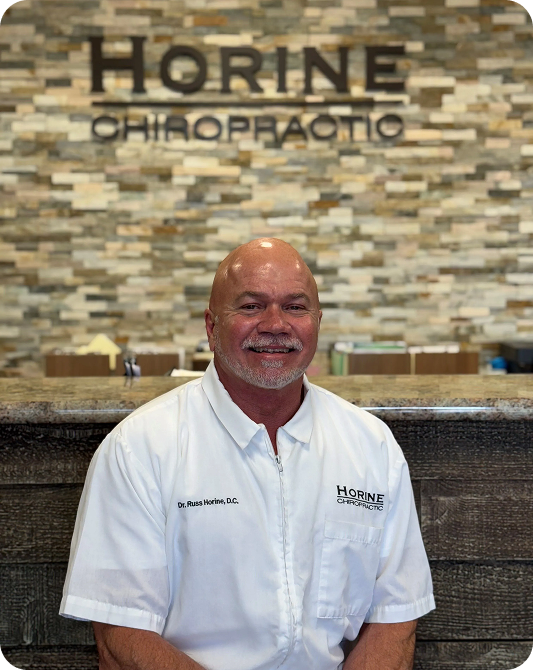
Article by
Dr. Russell Horine, DC Chiropractor
Horine Chiropractic has established a strong reputation for delivering exceptional results in treating complex back and neck pain cases. Their primary objective is to serve patients efficiently and compassionately, aiding them in their journey to wellness. Horine Chiropractic uses a comprehensive, groundbreaking approach to treating stubborn back and neck pain. They have been helping Visalia’s backs, necks, and everything in between for a combined 45 years. They create a comprehensive approach to help their patients meet their health needs. Horine Chiropractic customizes treatment plans to meet each patient's unique health needs. The clinic is accepting new patients and providing compassionate care to those in need.
Medical Disclaimer
This content is provided for general educational and informational purposes only and is not intended as medical advice, diagnosis, or treatment. Individual conditions and treatment needs vary. Please consult a qualified healthcare professional regarding your specific symptoms and treatment options.