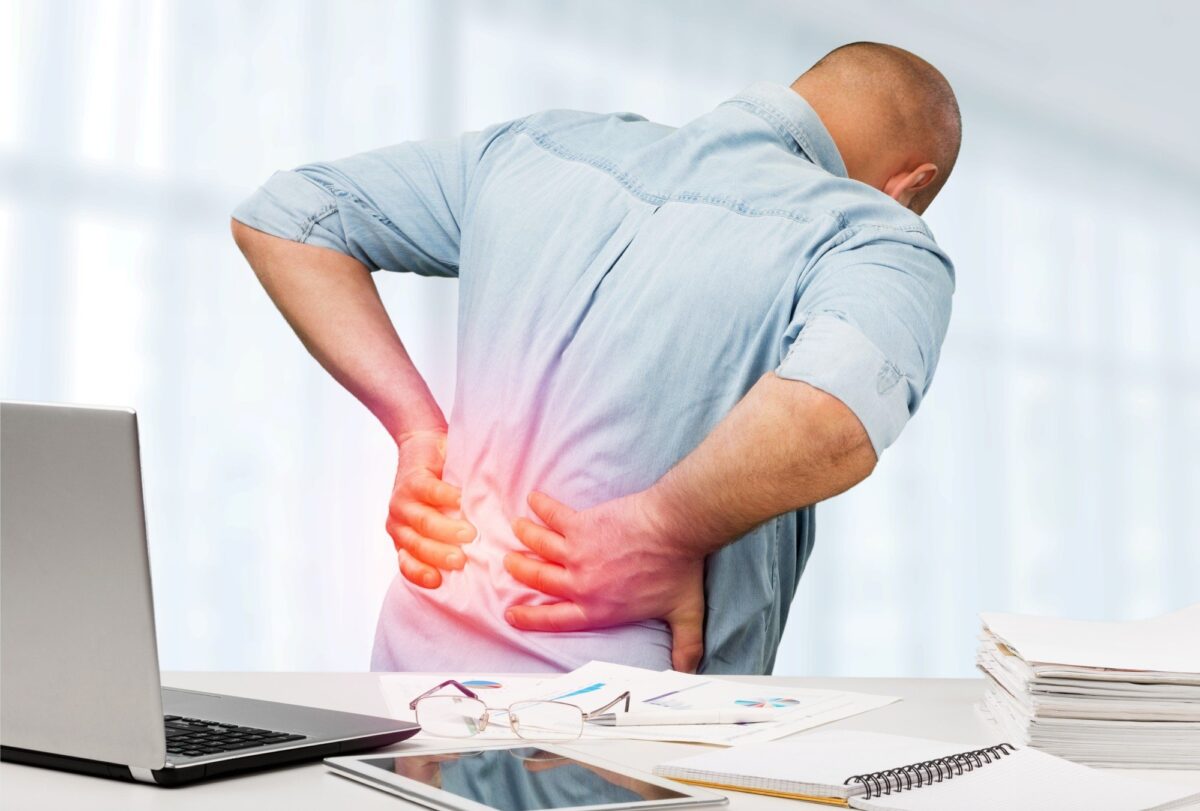
Are you experiencing persistent back pain? Are you looking for some relief? There are many causes for back pain, including a herniated disc or other spinal issues.
Experiencing ongoing back pain can be exhausting and affect your sleep and overall quality of life. However, there are ways to prevent these injuries and maintain a healthy spine.
Read on for a guide to preventing a herniated disc and staying pain-free.
What Is a Herniated Disc?
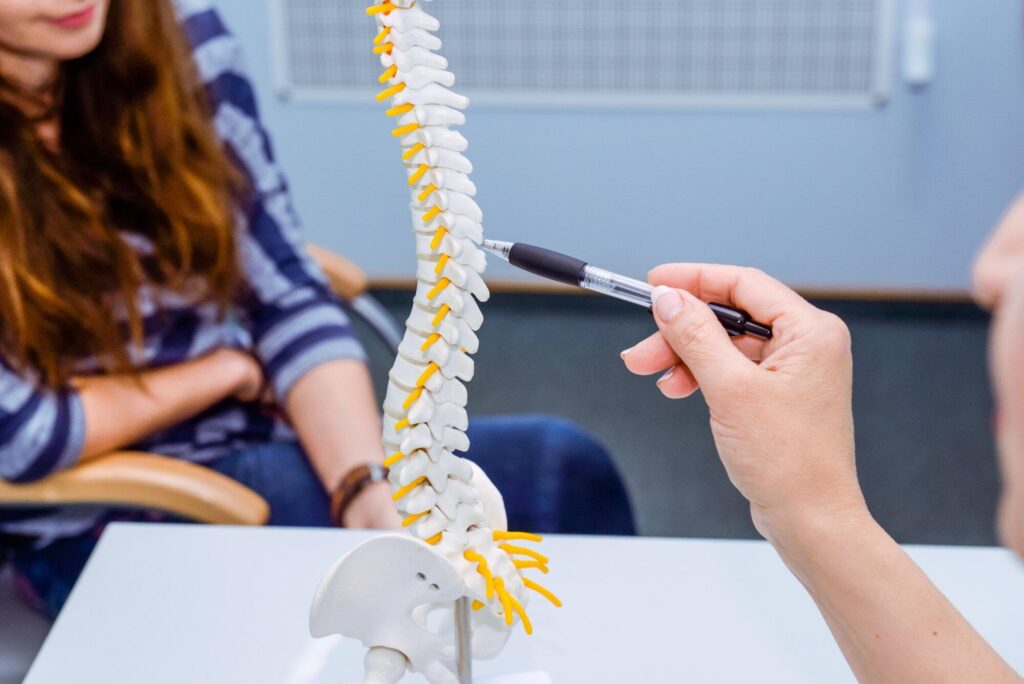
Your spine contains small bones or vertebrae. Between each vertebra, there’s a small disc or cushion.
The discs act as shock absorbers, featuring a gel-like nucleus and an outer layer, or annulus. When the gel-like nucleus protrudes from a tear in the disc, it’s considered a herniated disc.
This can lead to pain, numbness, and tingling. This condition is often referred to as a slipped disc, a ruptured disc, or a bulging disc. You may experience pain in the back, down the leg, or down the arm.
Herniated discs are often the result of wear and tear on the spine, but there are ways you can reduce your risk of developing this condition.
Exercise Regularly
Exercise is beneficial for the body and an effective way to prevent back pain. Strengthening your core muscles helps support your back, and a strong core reduces your chances of a herniated disc.
Exercises such as walking, swimming, and cycling can help you lose weight, which in turn reduces the strain on your back. Weight management is critical for good spine health.
Practice Safe Lifting
Whether lifting a heavy box or a bag of groceries, using safe lifting techniques is essential. Improper lifting, such as failing to bend your knees or twisting while lifting, can put undue stress on the spine and lead to injury.
Safety tips for lifting include the following:
- Avoid bending at the waist while lifting
- Bend your knees and squat to lift your body up
- Lift with a buddy when possible
- Avoid holding items at a distance when lifting (hug them to the body instead)
Consider using a dolly to prevent straining your back when lifting heavy items.
Maintain a Good Posture
Poor standing or sitting posture can strain your back and lead to lower back pain. Here are some tips for improving your posture and keeping your spine healthy:
- When you stand, keep your shoulders aligned over your hips
- Your chin should be parallel to the floor
- Do not slouch while sitting
- Keep your feet flat on the floor while sitting
- Bend your knees at a 90-degree angle while sitting
If you work from home or sit for long periods, use a chair or pillow that provides lumbar support. Keep your computer monitor at eye level, directly in front of you.
Rethink How You Sleep
Did you know that good posture matters while you sleep?
Sleeping on your stomach puts a lot of strain on your cervical spine. To improve your posture as you sleep, keep the following in mind:
- Try to sleep on your back or side
- If you sleep on your back, place a pillow under your knees
- If you’re a side sleeper, place a pillow between your legs
- Replace an old or worn-out mattress
- Choose a firm mattress
Chronic back pain leads to sleep deprivation, which can affect your physical and mental health. Good sleeping habits will benefit your posture, back, shoulders, and hips.
Herniated Disc Treatment
If you experience a herniated disc, there are ways to treat and relieve your back pain. If you want to avoid a surgical procedure, a chiropractor can address the symptoms of a herniated disc.
Herniated Disc Treatment With Chiropractic Care
When you visit a chiropractor, they will take your health history and thoroughly examine your spine. If they suspect a herniated disc or other spinal issues, they may order an X-ray or an MRI.
They will discuss the findings and the treatment options with you. Chiropractors use spinal manipulation to help the body heal, and they employ various techniques to address specific problems.
Flexion-Distraction Technique
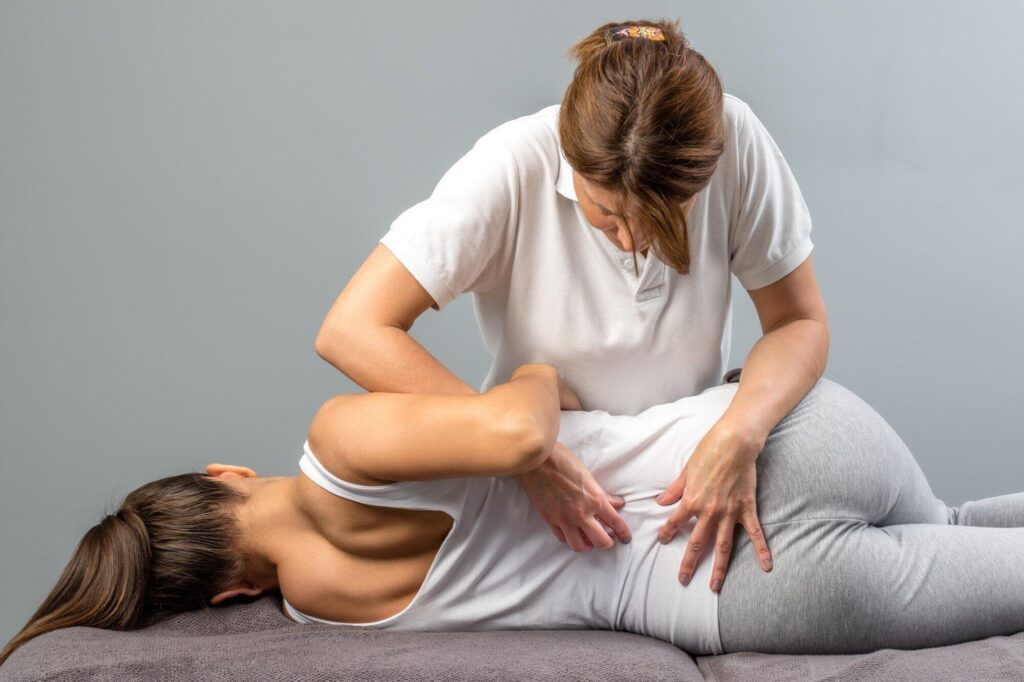
This method requires the patient to lie on a table that helps stretch the back and spinal column. The chiropractor employs a specialized hand technique to address the issue.
The goal is to stimulate the disc while the spine is stretched, allowing the disc to return to its correct position. This technique may relieve pinched nerves and reduce pain by moving the disc away from the nerves.
Pelvic Blocking Technique
This technique requires the patient to lie on a chiropractic table with cushioned wedges beneath the pelvic area. This adjusts the patient’s posture to relieve pressure on the spine.
The goal is to stretch the lower pelvis and elongate the spine to relieve pressure on the spine.
Manipulation Under Anesthesia
Some patients with excessive back pain can benefit from this procedure, which allows them to receive treatment without pain.
This option typically involves 15 minutes to an hour of herniated disc treatment for several days. Various types of anesthesia can be used depending on a patient’s pain level. A chiropractor may use a local anesthetic, mild sedation, or general anesthesia.
Chiropractic care cannot reverse a herniation. Only surgery can do that. Chiropractic care may eliminate painful symptoms, making surgery, pain medication, and other treatments unnecessary.
If you are experiencing ongoing back pain or think you may have a herniated disc, chiropractic care may bring some welcome relief.
Herniated Disc Prevention
A herniated disc is a painful condition often caused by wear and tear on the spine. Some ways to prevent it include maintaining good sleep habits, engaging in regular exercise, and practicing safe lifting techniques.
If you’re already dealing with back pain daily, there is hope. Chiropractic care can often help alleviate the symptoms of a herniated disc without the need for surgery.
At Horine Chiropractic, we aim to relieve your pain and help you get back to doing all the wonderful things that make life worth living. Contact Horine Chiropractic today to schedule an appointment.

 3. Shoulder or Upper Back Pain
 6. Poor Posture
 What is a Keto Diet?