
How To Pick the Correct Walking Shoes

The best walking shoes typically have arch support, high-quality materials, and heel stability. Choosing the right shoes can help prevent various health issues in both the short and long term.

Choosing the right walking shoes is more than a style decision; it’s a health investment. The shoes you wear every day can influence posture, joint stress, balance, and long-term foot health. Poor footwear is a common cause of foot pain, knee discomfort, and back issues seen by podiatrists.

Whether you’re walking for exercise, commuting, or standing for long hours, understanding proper shoe fit and support is essential. With so many options from running shoes to comfort shoes, it’s easy to feel overwhelmed. This guide outlines what to look for in quality walking footwear and how to choose the right pair for you.

What Shoes Do Podiatrists Recommend for Walking?

Podiatrists typically recommend walking shoes that prioritize stability, cushioning, and proper fit over brand names or trends. The best walking shoes provide firm heel support, a supportive midsole, and sufficient forefoot flexibility to allow a natural walking motion. Walking shoe support is especially important for people with issues such as:

  • Flat feet
  • High arches
  • Plantar fasciitis
  • Arthritis

Many patients ask whether running shoes are appropriate for walking. While some running shoes can work, they’re designed for forward motion and higher impact, which may not always suit a walking gait. Shoes specifically designed for walking often have a slightly stiffer sole and a smoother heel-to-toe transition, reducing strain on the ankles and knees.

Comfort shoes recommended by podiatrists usually include:

  • Built-in arch support
  • Shock-absorbing materials
  • A stable heel counter

Lightweight cushioning helps absorb impact without compromising stability. Podiatrists also stress the importance of choosing shoe materials wisely. Breathable uppers, such as mesh or high-quality leather, help reduce moisture and friction, lowering the risk of blisters, calluses, and fungal infections.

Removable insoles are another valuable feature, especially for patients who wear custom orthotics. A shoe that accommodates orthotics while still feeling comfortable is often a strong long-term option.

What Shoes Do Podiatrists Hate?

Shoes podiatrists tend to discourage share a few common traits: poor support, inadequate cushioning, and improper structure. Frequent offenders include:

  • Flip-flops
  • Unsupportive flats
  • Worn-out shoes
  • Overly flexible footwear

These shoes often lack arch support and heel stability, forcing the foot to work harder and increasing strain on muscles and tendons.

Fashion-first shoes with narrow toe boxes are another concern. When toes are compressed, it can worsen conditions like bunions, hammertoes, and neuromas. High heels, while stylish, shift bodyweight forward and place excessive pressure on the forefoot, leading to pain and long-term joint issues.

Even comfort shoes can be problematic if they’re too soft or broken down. A shoe that feels comfortable at first but lacks structure may actually contribute to fatigue and instability over time.

Should Your Toes Touch the End of Your Shoes When Walking?

No, your toes should not touch the end of your shoes while walking. Proper shoe fit includes about a thumb’s width of space between your longest toe and the front of your shoe. Feet naturally expand throughout the day and during activity, so this extra room helps prevent bruising, blisters, and nail problems.

When trying on comfortable walking footwear, stand up and walk around. Your heel should feel secure without slipping, and your toes should be able to wiggle freely. Shoes that are too short or narrow may feel fine initially, but often cause problems after prolonged wear.

Additional Factors to Consider When Choosing Walking Shoes

Beyond fit and support, consider how and where you’ll be walking. Someone who walks long distances on pavement may need more cushioning to reduce repetitive impact, while trail walkers benefit from added stability and traction.

Work environments also matter. People who stand or walk on hard floors all day often need more structured midsoles.

The best walking shoes for women often account for differences in foot shape, heel width, and arch structure, offering a more precise and supportive fit. Women’s walking shoes can reduce pressure points and improve overall comfort compared to unisex styles.

Choosing shoe materials plays a major role in both comfort and durability. Lightweight materials help reduce fatigue, while durable outsoles provide traction and longevity. Shoes made with poor-quality foam may feel comfortable initially but compress quickly, reducing support.

Frequently Asked Questions

How Do I Know if My Walking Shoes Fit Properly?

A proper fit feels secure but not tight. Your heel should stay in place without slipping, your arch should feel supported, and your toes should have room to move freely. Always try shoes on later in the day when your feet are slightly swollen, and walk around the store to check for pressure points.

What Features Help With Foot Pain?

Key features include firm arch support, shock-absorbing midsoles, a wide toe box, and a stable heel counter. These elements help reduce strain on the plantar fascia, joints, and tendons.

Do I Need Different Shoes for Walking for Exercise versus Daily Wear?

Often, yes. Walking shoes usually require more cushioning and structure than casual, everyday shoes. Rotating shoes can also help extend their lifespan.

How Often Should I Replace My Walking Shoes?

Most walking shoes should be replaced every 6-12 months, depending on usage. Signs it’s time for new shoes include increased foot pain, visible sole wear, or reduced cushioning.

Can the Wrong Shoes Cause Long-Term Foot Problems?

Yes. Wearing poorly fitting or unsupportive shoes over time can contribute to chronic conditions such as plantar fasciitis, bunions, hammertoes, and joint pain. Choosing appropriate footwear is a key part of preventive foot care.

Taking Care of Your Body

Selecting the correct walking shoes is one of the simplest ways to protect your foot health and overall mobility. By focusing on proper shoe fit, adequate support, and quality materials, you can prevent many common foot problems before they start. Remember that comfort shoes and stylish designs are only beneficial if they also provide structure and stability.

If you’re experiencing spinal issues related to your walking shoes, a professional chiropractor may be able to help. Horine Chiropractic is dedicated to providing effective, efficient spinal care through a patient-first approach. Our tailored solutions are designed to help our patients regain mobility and manage pain effectively.

Schedule your appointment now.
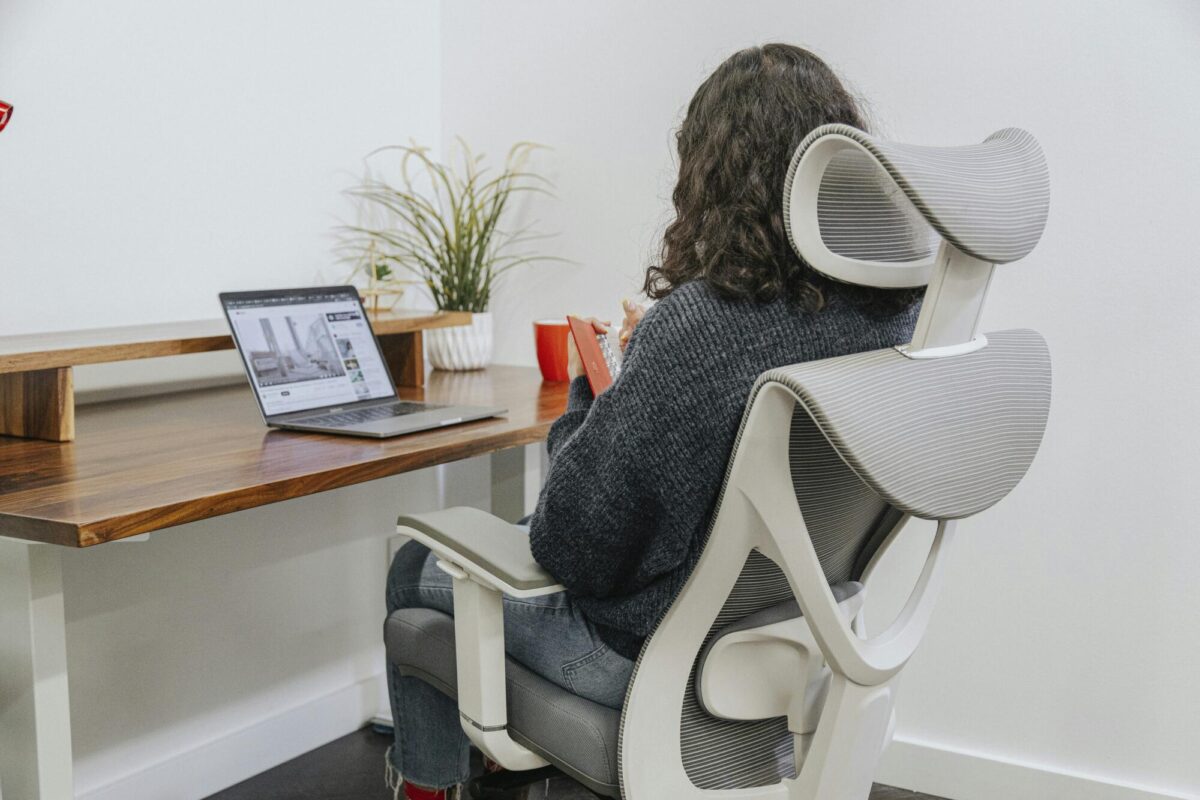
How to Find the Right Chair and Desk for All-Day Comfort

To find the right chair and desk for all-day comfort, choose furniture that supports the natural curves of your spine, keeps your wrists level, and allows your monitor and keyboard to sit at a comfortable height. This prevents neck and low back pain by keeping your body aligned rather than straining to compensate.

Poor posture and unsupportive furniture not only cause discomfort but can also lead to long-term damage. The result? Chronic pain and reduced productivity.

In fact, a 2025 commentary reports that musculoskeletal disorders (MSDs) from repetitive motion injuries account for 28% of all serious work-related injuries and illnesses in U.S. private industry (AFL-CIO). The good news is you can easily address this and transform your workspace into a pain-free zone.

Whether you work from home or in an office, this guide will show you exactly how to choose ergonomic office comfort solutions that actually work. Let’s explore the essentials of back-friendly office furniture and discover how to arrange your space for genuine, lasting comfort.

Why Does Posture Matter for Your Health?

Posture matters because it directly affects your spine, muscles, joints, and overall physical function. Here’s an in-depth look at why posture is so critical to your health:

Protects Your Nervous System

Your spine houses your spinal cord, which connects your brain to the rest of your body. Poor posture compresses spinal nerves, potentially causing pain, numbness, or tingling in your:

  • Back
  • Neck
  • Arms
  • Legs

Supports Joint and Muscle Health

Slouching or leaning forward forces muscles to overcompensate, leading to back and neck pain. When your body is adequately supported:

  • Muscles work efficiently, reducing fatigue.
  • Joints stay in their natural position, preventing wear and tear.
  • Ligaments aren’t overstretched, lowering injury risk.

Improves Breathing and Circulation

Good posture opens up your chest cavity, allowing your lungs to expand fully and function optimally. This improves:

  • Oxygen intake
  • Blood flow
  • Energy levels

Poor posture can compress your diaphragm, reducing your lung capacity.

Reduces Risk of Repetitive Strain Injuries

Ergonomic setups help maintain neutral positions. Sitting with poor wrist alignment or a hunched back increases your risk of:

Enhances Balance and Stability

Proper alignment isn’t just about posture; it’s the foundation of a pain-free, productive workday. Here’s why it matters:

  • Improves movement efficiency
  • Reduces the risk of falls
  • Makes physical tasks less strenuous

This is especially important for older adults and those with mobility challenges.

What Is the Best Way to Arrange Your Workplace to Ensure Good Ergonomics?

Creating an ergonomic workspace means adjusting your environment to fit your body, not the other way around. Here’s how to do it right:

Choose Ergonomic Chairs for Back Pain Relief

A quality ergonomic chair may cost more, but it’s a long-term investment in your health. Most last 7-10 years with daily use. Look for chairs with:

  • Adjustable lumbar support to support spinal alignment.
  • Seat height adjustment so your feet rest flat on the floor.
  • Armrests that support your elbows without elevating your shoulders.
  • Tilt and recline functions to reduce pressure on your lower back.

The chair should help you maintain a neutral posture. It means ears in line with shoulders, shoulders over hips, and no slumping.

Pick the Best Desks for Back Pain

Standing desks or adjustable desks help reduce static posture and encourage movement, both of which are key to reducing back pain at work. Your desk should:

  • Allow your arms to rest comfortably.
  • Keep your elbows at the same height as your keyboard and mouse.
  • Provide enough legroom to avoid compression.

Shifting positions throughout the day can reduce low back pain and increase circulation. When using a standing desk, avoid locking your knees and keep your weight balanced between your legs.

Monitor and Screen Placement

Your monitor should be at eye level so you don’t have to tilt your head up or down. Keep the screen about an arm’s length away to reduce eye strain and maintain a relaxed posture. If you frequently reference printed documents, use a document holder to keep them at the same height and distance as your screen.

Keyboard and Mouse Setup

Keep your wrists in a neutral, straight position while typing or using a mouse. If needed, switch to an ergonomic keyboard or a vertical mouse. Ensure your forearms are parallel to the floor, with your elbows at approximately 90 degrees for optimal support.

Lighting and Accessories

Use task lighting in your workspace without creating glare on your screen. Avoid harsh overhead lighting or direct sunlight, which can cause eye fatigue. If your feet don’t sit flat on the floor, use a footrest to support your legs and improve circulation.

Frequently Asked Questions

How Often Should I Take Breaks When Working at a Desk?

Take short breaks every 30 to 45 minutes. Even a short stretch or a walk to refill your water can reduce muscle tension. The goal is to prevent your body from staying in one fixed position for too long, which can contribute to stiffness and discomfort.

Are Standing Desks Better for Back Pain?

Standing desks can help minimize back pain by encouraging movement and reducing static posture. However, alternating between sitting and standing is ideal. Use anti-fatigue mats and wear supportive shoes when standing for extended periods.

What Are the Symptoms of Carpal Tunnel Syndrome?

It is caused by pressure on the median nerve as it passes through the carpal tunnel in your wrist. This pressure can result from repetitive hand movements, wrist anatomy, or underlying health conditions. Common symptoms include:

  • Tingling or numbness in the fingers
  • Wrist pain, especially at night
  • Weak grip strength

Low Back Pain: What Your Office Setup Might Be Missing

Low back pain doesn’t have to be a part of your daily routine. With a supportive chair, a desk that encourages natural posture, and thoughtful workspace arrangements, you can work in comfort. Neck pain and carpal tunnel symptoms often improve when you provide your body with the proper alignment it needs.

Horine Chiropractic helps Visalia residents prevent and relieve pain with personalized, efficient chiropractic care. Our unique approach blends hands-on techniques with modern tools to support long-term comfort, whether you’re at your desk or recovering from an injury. Schedule an appointment today, and experience innovative care in a welcoming, family-friendly environment.

The Connection Between Neck Misalignment and Headaches

Headaches disrupt daily life, affecting productivity and well-being. (Source: Psychiatrist) Experiencing frequent headaches can feel like a never-ending battle, leaving you desperate for relief. Many overlook a common yet correctable cause of these issues: segmental dysfunction of the neck.

Addressing neck segmental dysfunction isn’t only about reducing discomfort but also about understanding how spinal health affects overall well-being. This guide explores the relationship between segmental dysfunction and headaches. It also offers insights into how corrective measures can provide lasting relief.

Understanding Cervical (Neck) Segmental Dysfunction

Our spines are made up of 24 bones, called vertebrae, stacked on top of each other. They need to be aligned and balanced so that they can glide and slide smoothly over each other in a precise manner.

Each vertebra must move in a well-controlled and balanced manner to avoid overstressing the spine.

Past trauma or repetitive stress over time can cause the vertebrae to become out of balance, resulting in them jamming together so that they no longer glide and slide smoothly.

Segmental dysfunction occurs when the vertebrae in your neck shift out of balance. This is often referred to as neck misalignment, but they aren’t actually misaligned; they simply aren’t tracking properly, causing excessive friction, inflammation, and wear and tear. When these vertebrae are out of balance, it can:

  • Irritate nearby nerves
  • Irritate the muscles and delicate tissues surrounding the spine

This irritation can result in a cascade of symptoms, including headaches. Several common causes of cervical segmental dysfunction include:

  • Poor posture: Spending hours hunched over screens or slouched in a chair can strain the neck muscles and alter the alignment of the cervical spine
  • Injuries or trauma: Whiplash from car accidents, falls, or sports injuries can disrupt the natural alignment of the neck
  • Repetitive motions: Certain activities can also contribute to segmental dysfunction

Neck segmental dysfunction isn’t only a minor inconvenience. It can lead to chronic discomfort and exacerbate other health problems.

How Neck Segmental Dysfunction Causes Headaches

The cervical spine is intricately connected to the nervous system. Segmental Dysfunction in this region can have widespread effects, including headaches.

When the vertebrae in the neck are misaligned, they can irritate the nerves that run through the neck and into the head. This irritation can trigger pain signals, leading to headaches. Muscle tension resulting from vertebral misalignment can also cause or exacerbate head pain.

Cervicogenic headaches are a type of headache linked to neck problems. These headaches often start in the neck and travel to the head, causing pain that can feel similar to a tension headache or migraine.

The pain is often one-sided and can be accompanied by neck stiffness and discomfort. Tension in neck muscles, such as the trapezius, can contribute to increased headache frequency and intensity.

Here’s how neck pain and headaches are often interlinked:

  • Nerve irritation:  Mistracking vertebrae can irritate cervical nerves, sending pain signals to the brain
  • Muscle tension: Vertebrae that aren’t moving in a balanced way strain neck muscles, especially the trapezius, causing inflammation and discomfort

Symptoms of Cervical Misalignment

Recognizing the symptoms of segmental dysfunction is crucial for early intervention and treatment. If you’ve been experiencing persistent headaches, it may be time to consider whether neck issues are contributing to the problem.

Here are common signs to look out for:

  • Neck pain and headaches: A consistent ache in the neck that coincides with headaches
  • Stiffness in the neck: Difficulty moving your head from side to side or looking up and down without discomfort
  • Limited neck mobility: A reduced range of motion, especially after sitting for extended periods
  • Radiating pain: Pain that travels from the neck into the shoulders, arms, or upper back
  • Frequent tension headaches: Headaches that feel like a tight band around your head, often accompanied by pressure at the back of the skull

Ignoring these symptoms can lead to more severe health issues over time, so it’s essential to address them promptly.

Chiropractic Care for Headaches

Chiropractic care is a holistic health approach emphasizing spinal health and nervous system function. Chiropractic adjustments provide a non-invasive solution for headaches resulting from neck dysfunction. Chiropractors are trained to identify segmental dysfunctions and use precise techniques to restore proper alignment.

At Horine Chiropractic, we specialize in several methods to help relieve headaches.

Chiropractic Manipulative Therapy

Chiropractors use hands-on adjustments to restore normal motion to the vertebrae. This reduces nerve irritation and restores normal function.

Posture Correction

Chiropractors educate patients on maintaining good posture, which prevents further stress on the spine and supports long-term relief.

Chiropractic care doesn’t just mask the pain but addresses the underlying cause, providing lasting relief. Patients often report fewer headaches and an improved quality of life after consistent chiropractic care.

Benefits of Correcting Neck Segmental Dysfunction

Correcting neck segmental dysfunction has many benefits, extending beyond just headache relief. When the cervical spine is aligned correctly, the entire body functions more efficiently. Here’s how:

  • Reduced frequency and intensity of headaches
  • Improved neck mobility
  • Decreased muscle tension
  • Enhanced overall well-being

Taking the time to address neck segmental dysfunction can be life-changing, especially for those who have struggled with chronic headaches for years.

Preventive Measures and Lifestyle Changes

While chiropractic care is effective, lifestyle changes can support your recovery and prevent spinal problems. Here are some strategies to maintain spinal health:

  • Ergonomic workspaces: Adjust your desk, chair, and monitor to support good posture
  • Regular breaks: If you work long hours at a computer, take breaks every 30 minutes to stretch and move your neck and shoulders
  • Neck-strengthening exercises: Simple neck stretches, or chin tucks, can keep your neck muscles strong and flexible
  • Proper sleep posture: Use a supportive pillow that keeps your neck aligned with your spine while you sleep

Incorporating these habits can significantly reduce your risk of developing neck pain and headaches.

Additional Headache Relief Tips

Sometimes, you need immediate relief from a headache while addressing the underlying cause. Here are some quick headache relief tips:

  • Apply a cold compress: Placing a cold pack on your forehead or neck can numb the pain and reduce inflammation
  • Stay hydrated: Drink plenty of water throughout the day
  • Practice deep breathing: Slow, deep breaths can help reduce stress and tension
  • Use essential oils: Lavender and peppermint oil are known for their headache-relieving properties

Seek Professional Help for Neck Misalignment

If you suffer from frequent headaches, it could be time to explore the connection between your pain and your cervical spine. Don’t let headaches control your life when practical solutions are available. Professional chiropractic care can diagnose and treat the underlying cause, providing a path to relief and enhanced well-being.

At Horine Chiropractic, we are dedicated to helping our community find relief from pain. Our personalized approach ensures you get the care you need to feel your best.

Take the first step towards a pain-free life. Schedule an appointment with Horine Chiropractic today.

Why Every Athlete Should Consider Chiropractic Care

Nearly 72 percent of Professional Golfers’ Association (PGA) members often seek chiropractic care. This demonstrates the importance of chiropractic care for athletes in enhancing their sports performance. Regular injuries, improper posture, and muscle pain are signs that you need help from a chiropractor.

Athletic chiropractic care addresses knee injuries, sprains, and degenerative disc disease. To find a reliable chiropractor, check their experience, certification, and treatment techniques. You can schedule a visit and inquire about approaches like joint mobilization and spinal adjustments.

Understanding the benefits of chiropractic care for athletes is the first step in finding proper help. Continue reading to discover how this care enhances performance and accelerates recovery.

Improves Flexibility

During holistic athlete care, chiropractors adjust the spine to improve its positioning. This corrects the tension and unevenness in the spine’s joints and muscles. Decreased spinal muscles and joint tightness can enhance your body’s flexibility.

When your spine is aligned correctly, your central nervous system functions more efficiently. Nerves cause spine muscles to contract and relax easily, achieving proper flexibility.

When your spinal muscles and joints become flexible, your body’s range of motion will improve. We offer personalized, holistic care that restores your body’s responsiveness.

Prevents Sports Injuries

A visit to a chiropractor enables the proper functioning of your body’s muscles and joints. Functional muscles and joints can help prevent injuries while playing games. After you visit our clinic, your muscles and joints will experience less strain.

The enhanced flexibility that comes with our care will enable your body to perform the physical activities involved in sports more effectively. We advise athletes on body posture and mobility patterns that prevent injuries.

Enhances Body Comfort

Participating in intense sports activities may strain your neck or back, potentially leading to pain. Potential causes of this pain include repetitive twisting, trauma, poor posture, and a lack of protective gear.

Visiting our clinic allows you to enjoy smooth spine stretches. We apply this technique to treat herniated discs that cause neck and back pain.

Promotes Safety

The non-invasive nature of chiropractic care makes it a safe and comfortable treatment. Our practitioners enhance safety by tailoring treatments to address your particular musculoskeletal problems. We can make gentle adjustments to prevent further complications and discomfort.

Professional athletic chiropractors allow for follow-up appointments to monitor your progress. By monitoring your progress, we can adjust your treatment to optimize recovery and minimize nerve irritation and other potential issues that may arise during recovery.

Horine Chiropractic Clinic maintains consistent communication with patients throughout their treatment and beyond. We do this to make you feel more valued and comfortable with our holistic athlete care.

Minimizes Recovery Period

A well-aligned spine enhances nervous system functioning, improving your recovery. This means the body’s information is processed quickly to aid in healing. Improved joint function allows athletes to recover more rapidly from sprains and strains.

Undergoing our care enhances the way blood flows in your muscles after tension relief. The better the blood flow in your injured muscles, the more nutrients and oxygen it supplies to aid healing.

Keeps the Body Ready for Competition

Approaches like stretching treatments keep your body active during recovery. They enhance your athletic potential and enable you to move more efficiently. Visit our clinic a few days before participating in any sport to optimize your performance.

By alleviating muscle stress and strain, we help you become mentally prepared for the competition. You won’t have to worry about losing focus due to painful joints or muscles in any sport.

Enhances Sleep Quality

Having adequate sleep enhances your mental well-being and improves your performance in sports. At Horine Chiropractic, we offer treatments that restore your body’s energy for better sleep. Our care can help give you a restful night’s sleep. It relieves your body of the pain associated with musculoskeletal injuries and tension.

Chiropractic manipulations enhance the way the nervous system transmits sleep signals to the brain. This results in improved sleep cycles for tired or anxious athletes. Efficient chiropractic care helps minimize the stress hormone cortisol.

Low cortisol levels help calm the mind, allowing athletes to enjoy restful nights after sports. A well-aligned spine makes it easy for you to breathe while asleep. It improves the movement of the rib cage during breathing, allowing the lungs to expand properly.

Enhances Body Balance

If you can’t stand or walk properly, your muscles may be weak or have poor coordination. This is why we encourage you to visit us to address your muscle imbalances. We address spine problems that interfere with muscle coordination and the body’s stability.

We can align your pelvis and restore your balance if it has been injured in sports activities. Our team offers tailored advice about physical exercises that enhance body balance. This happens without posing the risk of further injury.

Our spinal manipulations address chronic headaches, such as migraines, which can affect body balance. We relieve your neck nerves of extra pressure to prevent potential neurological interference.

Try Chiropractic Care for Athletes Today

Chiropractic care for athletes enhances sports performance and keeps the body free from pain. We specialize in treating back and neck pain, herniated discs, injuries, and other problems athletes face. Our care approach is individualized to meet your needs and enable you to recover as soon as possible.

Are you experiencing muscle or joint pain and need quality help? Contact us today at Horine Chiropractic to schedule an appointment. We’d love to improve your physical and mental health.

Are you struggling to fall asleep or stay asleep each night

Are you struggling to fall asleep or stay asleep each night? Sleep deprivation can wreak havoc on your hormones, dampen your mood, and disrupt your mental and physical performance.

Sleep quality affects every aspect of your life, including your daily activities. Long-term sleep deprivation can lead to serious health problems, including heart disease, stroke, and diabetes.

If a lack of restorative sleep affects your quality of life, you should understand what factors impact sleep and why.

Here’s a look at 14 factors affecting sleep quality.

1. Room and Body Temperature

The temperature of the room plays a significant role in sleep quality. If it’s too warm, it may be harder for you to fall asleep.

The optimal temperature for sleep is approximately 65°F. Your body temperature also affects your sleep quality. A lower body temperature may help you fall asleep faster and sleep more soundly.

To cool down before you sleep, try showering, using a cooling mattress pad, or turning on the air conditioner or fan. Sleep in light, breathable fabrics that will keep you cooler overnight.

2. Caffeine Consumption

A caffeine boost may be just what you need to start your day. However, caffeine too late in the day can lead to sleep issues and a restless night.

The caffeine from coffee, tea, energy drinks, and chocolate raises your adrenaline and cortisol levels. This can elevate your blood pressure and keep you tossing and turning during the night.

Too much caffeine can lead to restlessness, abdominal cramps, frequent urination, and more. If you consume caffeine in the afternoon or evening and have trouble sleeping, try avoiding it for six hours or more before bed.

3. Physical Pain

Pain drains the body and is exhausting to the mind. It can make it harder to fall asleep and stay asleep.

Common sleep disrupters include back pain, neck pain, aching joints, and headaches. The first step is to consult a doctor or chiropractor to assess the root cause of your pain and identify potential solutions.

You may need a better mattress for your bed or a pillow that supports your neck. Proper spine alignment is essential for someone with back pain issues.

Some people find excellent pain relief in chiropractic care. Before you accept a prescription for pain medication, explore other solutions that may help you feel better and sleep better.

4. Stress

Stress may be the culprit if you lose sleep due to worries about work, school, or family problems. Worrisome thoughts can keep you up at night.

Stress affects you both mentally and physically, leading to an elevated heart rate, increased blood pressure, and elevated glucose levels. Relaxing and getting a good night’s sleep is essential.

If stress keeps you awake, try establishing a relaxing bedtime routine. Taking a bath or shower, shutting down electronics, and engaging in activities like reading or listening to music may help you relax.

5. Alcohol

Many people turn to alcohol to help them fall asleep more easily at night. It may help you fall asleep quickly, but it won’t help you sleep soundly.

Drinking alcohol before bed can disrupt your sleep cycle. You may wake up during the night and have trouble falling back asleep.

For a better night’s sleep, avoid drinking alcoholic beverages a few hours before bed. You’ll sleep better and won’t regret it in the morning.

6. Snoring 

Snoring is a common problem that can disrupt your sleep and prevent you from getting the rest you need. It occurs when airflow vibrates against the tissues of the throat.

The causes of snoring range from being overweight, poor sleep positions, nasal problems, sleep deprivation, and alcohol consumption. Snoring may also be a sign of sleep apnea.

People with sleep apnea experience periods of interrupted breathing while they sleep. If snoring wakes you up, consider discussing sleep apnea with your doctor.

Some tips to reduce snoring include:

  • Losing weight
  • Sleeping on your stomach or side
  • Treating nasal congestion
  • Avoiding alcohol before bed

7. Sleep Disorders 

Sleep disorders are medical conditions that affect your ability to sleep. They can affect both the quality and duration of sleep.

Some common sleep disorders include:

  • Insomnia
  • Restless Leg Syndrome
  • Sleep Apnea
  • REM Sleep Behavior Disorder
  • Narcolepsy

Sleep disorders are caused by physical, lifestyle, or neurological factors. Treatment and regulation of sleep disorders depend on the specific condition and its underlying cause.

Sleep apnea is a significant cause of disrupted sleep. Common symptoms of sleep apnea include:

  • Snoring
  • Trouble concentrating
  • Daytime fatigue
  • Memory problems
  • Headaches
  • Mood swings

If you’re experiencing these symptoms, consider consulting your doctor about getting tested for sleep apnea.

8. Exercise

Sedentary behavior during the day can affect sleep quality at night. Engaging in physical activity throughout the day can lead to a more restful night’s sleep.

Exercise helps regulate your circadian rhythm, also known as your sleep-wake cycle. Staying active during the day can help you relax more quickly, sleep better, and wake up at the appropriate time.

Exercising two to three times a week will help you look, feel, and sleep better.

9. Your Pre-Bed Habits

Do you stay up late working, scrolling social media, or watching TV? If so, it could be affecting your sleep quality.

Eating and drinking before bed can also lead to sleep issues. Doing things an hour or two before bedtime can significantly affect how well you sleep.

Changing your bedtime routine can help. Consider:

  • Avoiding screens 30 to 60 minutes before going to bed
  • Avoiding late-night meals or snacks
  • Try relaxing breathing exercises, reading, or listening to soft music
  • Drinking soothing herbal tea instead of coffee or alcohol
  • Going to bed at the same time each night

Going to bed at different times throughout the week confuses the body’s circadian rhythm and disrupts sleep. Going to bed and waking up at similar times each day helps keep the body’s natural rhythm in sync.

10. Your Diet

A midnight snack may sound like a good idea, but you might regret it later. Eating late at night will not help you sleep.

Higher fat and caloric intake at night makes it harder to reach REM sleep. Eat regularly during the day and avoid any heavy meals or snacks in the hours leading up to your bedtime.

11. Anxiety and Depression

Many emotional factors affect sleep. Restorative sleep isn’t possible when your mind is racing with worried thoughts.

Anxiety and depression often result in disrupted sleep patterns. A chaotic mind makes it hard to reach REM sleep.

If you think you may be suffering from anxiety or depression, get help. There are excellent treatments available to help you feel and sleep better.

Consult with your doctor to learn about the available options.

Blue Light Exposure 

Checking emails or watching videos on your phone before you sleep isn’t the best plan for a good night’s sleep. The blue light emitted by your phone can disrupt your sleep-wake cycle and compromise the quality of your sleep.

Blue light lowers the body’s natural melatonin production, which prepares you for sleep. Avoid staring at your phone or TV, and keep your room dark to help prepare your body and mind for sleep.

13. Insomnia

If you struggle to fall asleep night after night, no matter what you do, you may have insomnia. People with insomnia have long-term difficulties falling and staying asleep.

They may toss and turn throughout the night. They may become agitated because they need sleep, but their body won’t cooperate. Physical problems like pain or emotional issues like stress or anxiety can cause insomnia.

A poor sleep environment, chronic pain, alcohol use, excessive napping, or emotional issues can worsen insomnia. If you struggle to fall asleep regularly, consider consulting your doctor about options for treating insomnia.

14. Naps

A long afternoon nap may be a welcome relief. However, if it is too long, it can interfere with one’s ability to fall asleep at night.

Keep your afternoon nap to no more than 20 minutes. This can help revive you and provide a burst of energy. For many people, waking up from a nap can be difficult, especially if they’re not sleeping well at night.

Set an alarm and avoid oversleeping if you take an afternoon nap. Take a nap if your body needs it, but avoid overexertion.

Keep your naps short, try to go to bed, and wake up at approximately the same time each day. Once your sleep becomes more regular, you may no longer need a nap.

Factors Affecting Sleep

Are you longing for a better night’s sleep? Quality sleep is essential for maintaining your energy throughout the day.

Sleep restores the body, soul, and mind, and it’s something you can’t live without. If you suffer from headaches, chronic neck and back pain, or other physical symptoms that keep you awake, we can help!

There are numerous factors that can affect sleep. Chiropractic care may be the answer you’re searching for.

Dr. Russ Horine provides excellent chiropractic care in the Visalia area. We would love to help you feel better and get a better night’s sleep.

Contact Dr. Horine today to schedule an appointment.